
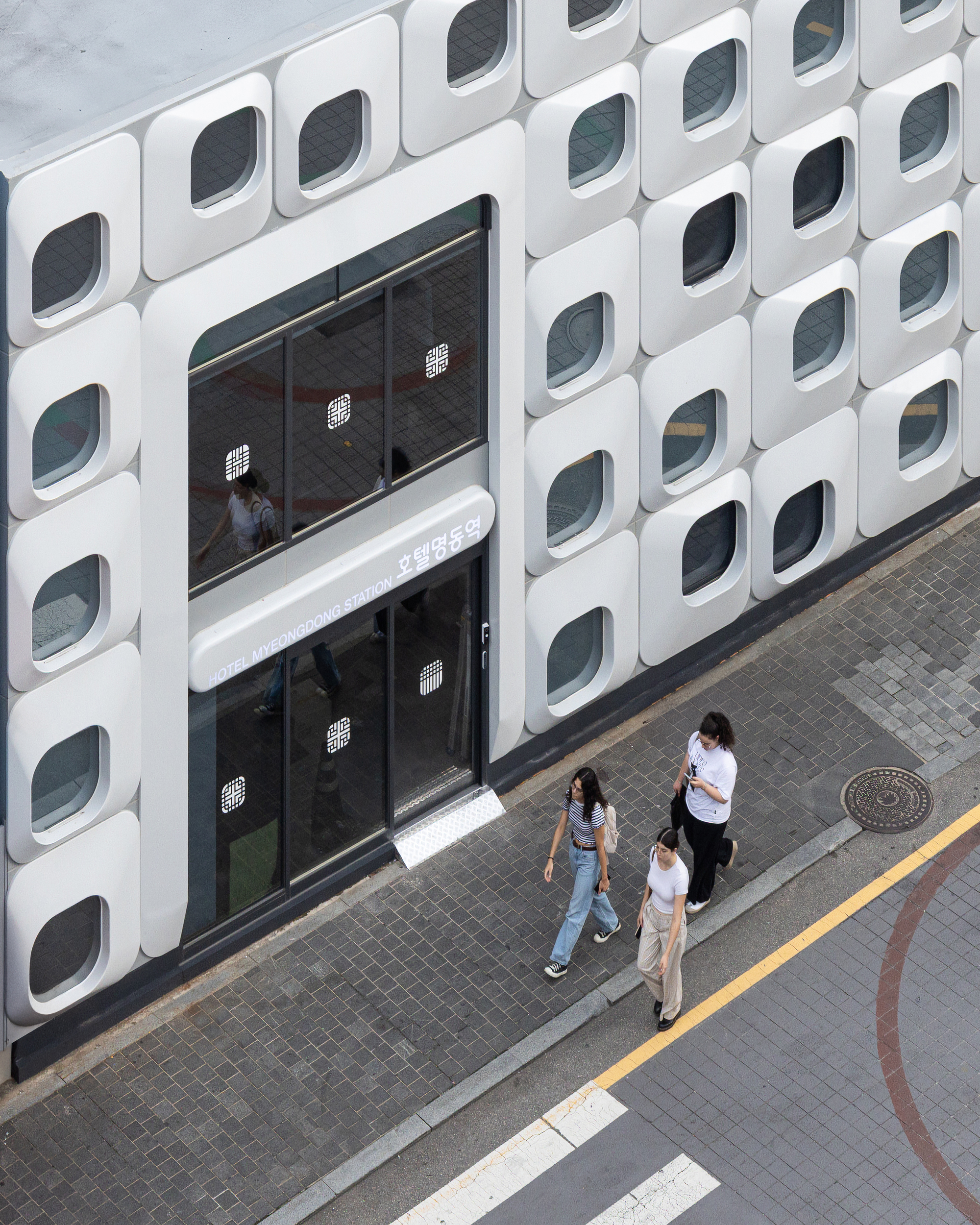
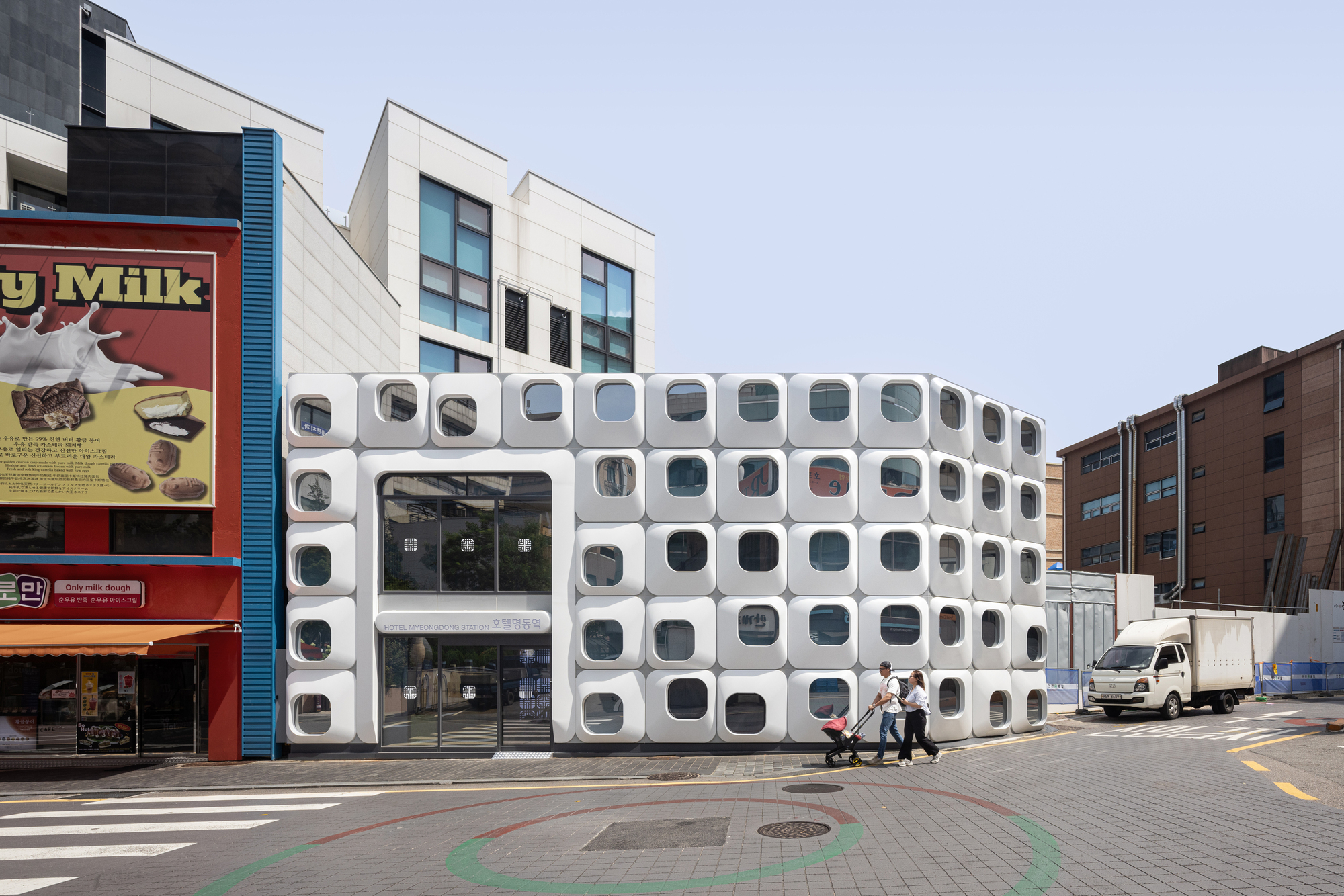
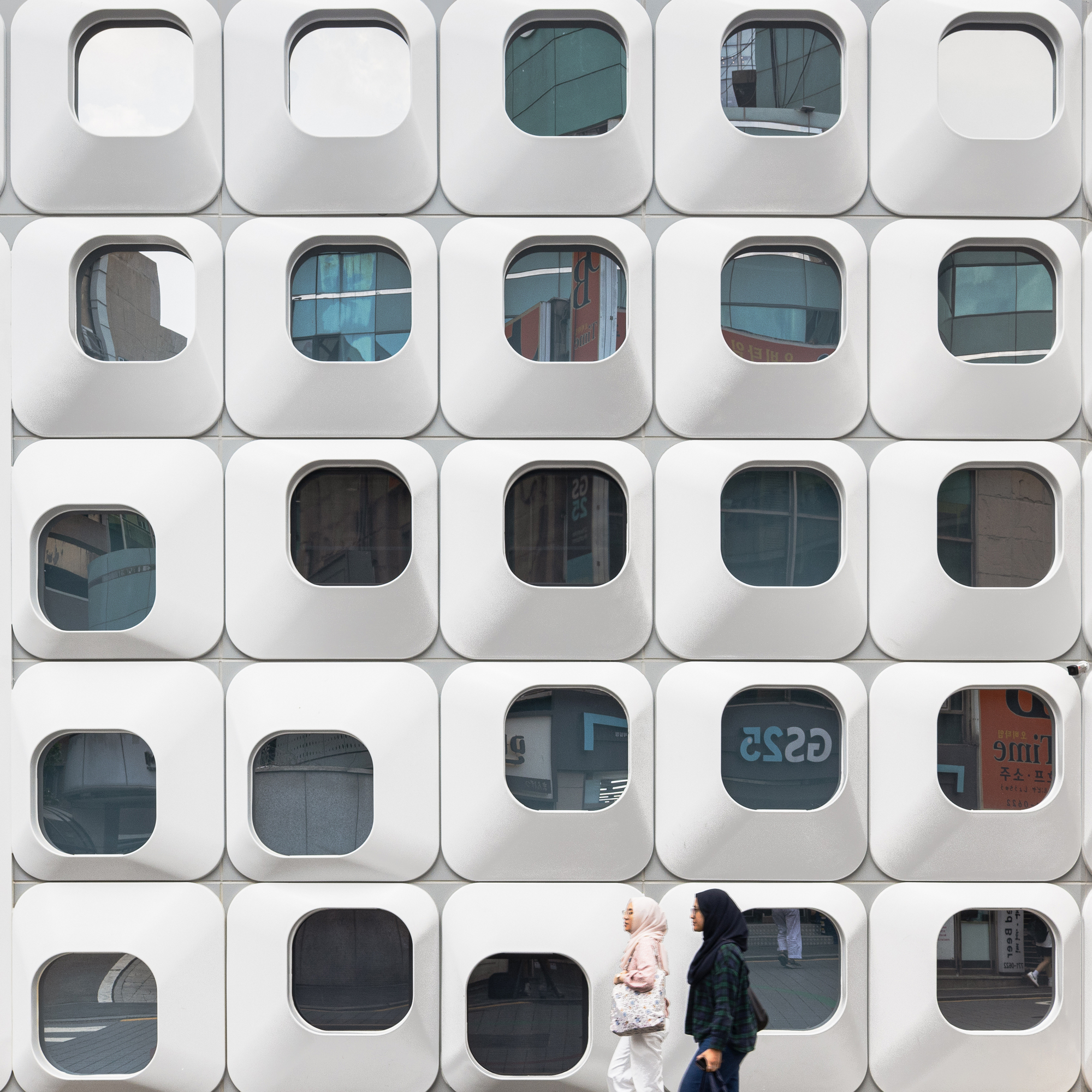
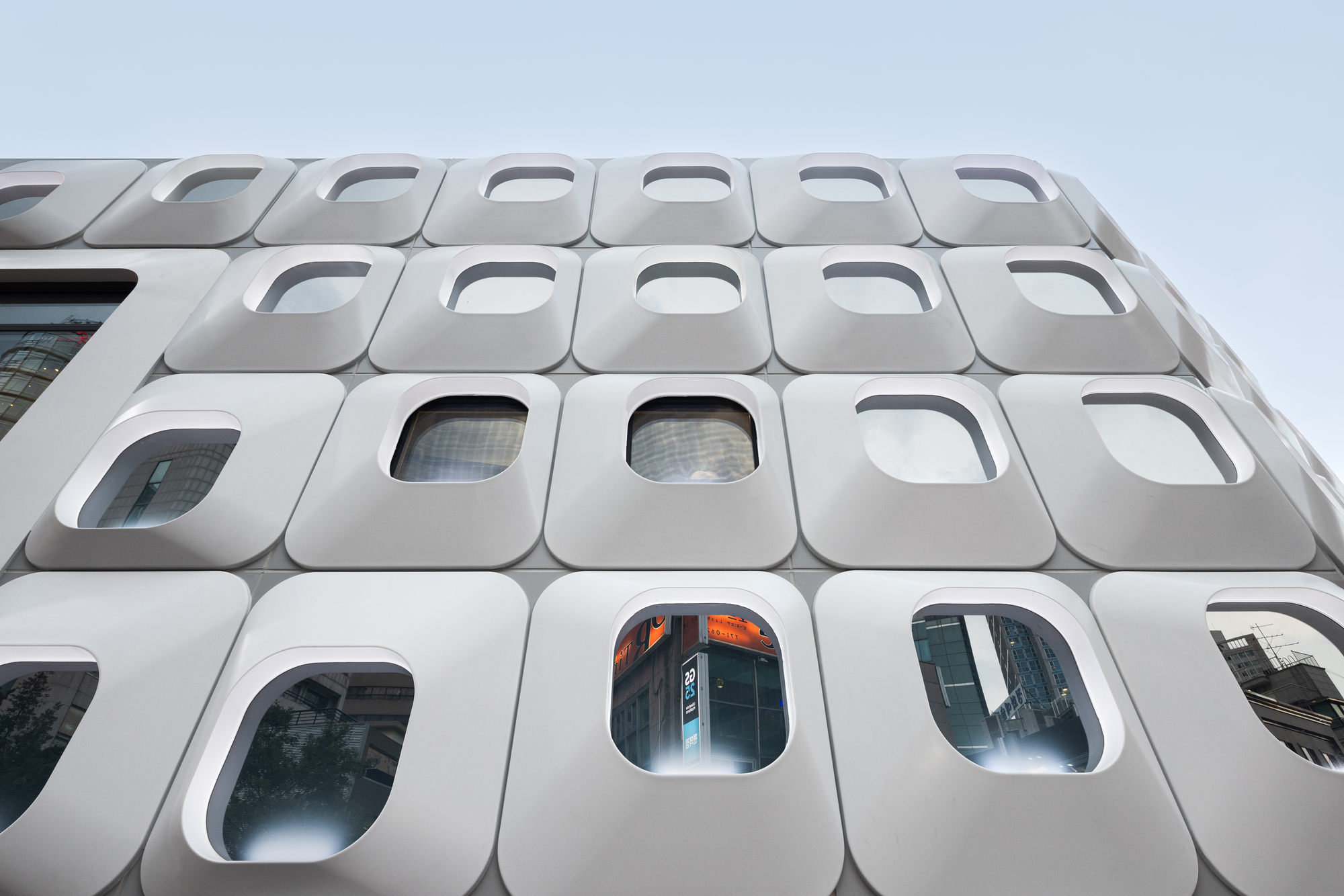
서울 명동역 인근, 촘촘한 도심 한복판에 자리한 호텔 명동역(Hotel Myeongdong Station)은 흔한 부티크 호텔의 접근법을 뒤집는다. 이용주 건축(Yong Ju Lee Architecture)은 주변 맥락이 아니라, 객실이라는 내부 프로그램 자체를 이 215㎡짜리 작은 호텔의 형태를 만드는 출발점으로 삼았다.
대지가 워낙 좁고 주변 조건이 복잡한 도심 한가운데서는, 외부 맥락을 우선하기보다 내부의 기능적 요구를 먼저 풀어내는 편이 오히려 더 정직한 접근일 수 있다. 소형 숙박 단위의 공간 밀도와 기능 통합이 건물 전체의 형식을 결정하도록 한 이번 설계는, 대지나 주변 조건에 얽매이지 않는 자율적인 건축 언어를 만들어낸다.

외부가 아니라 내부에서 시작된 형태
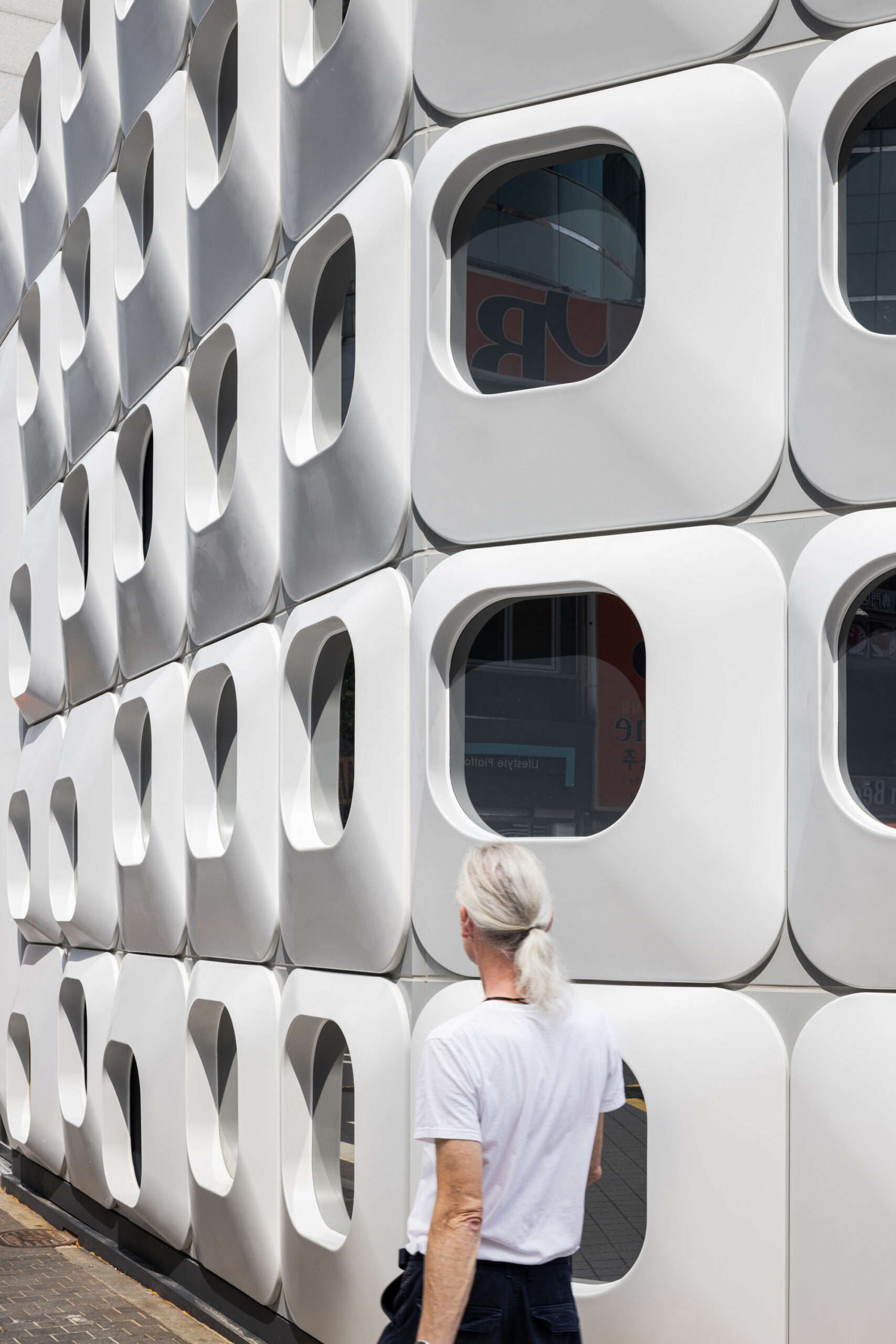
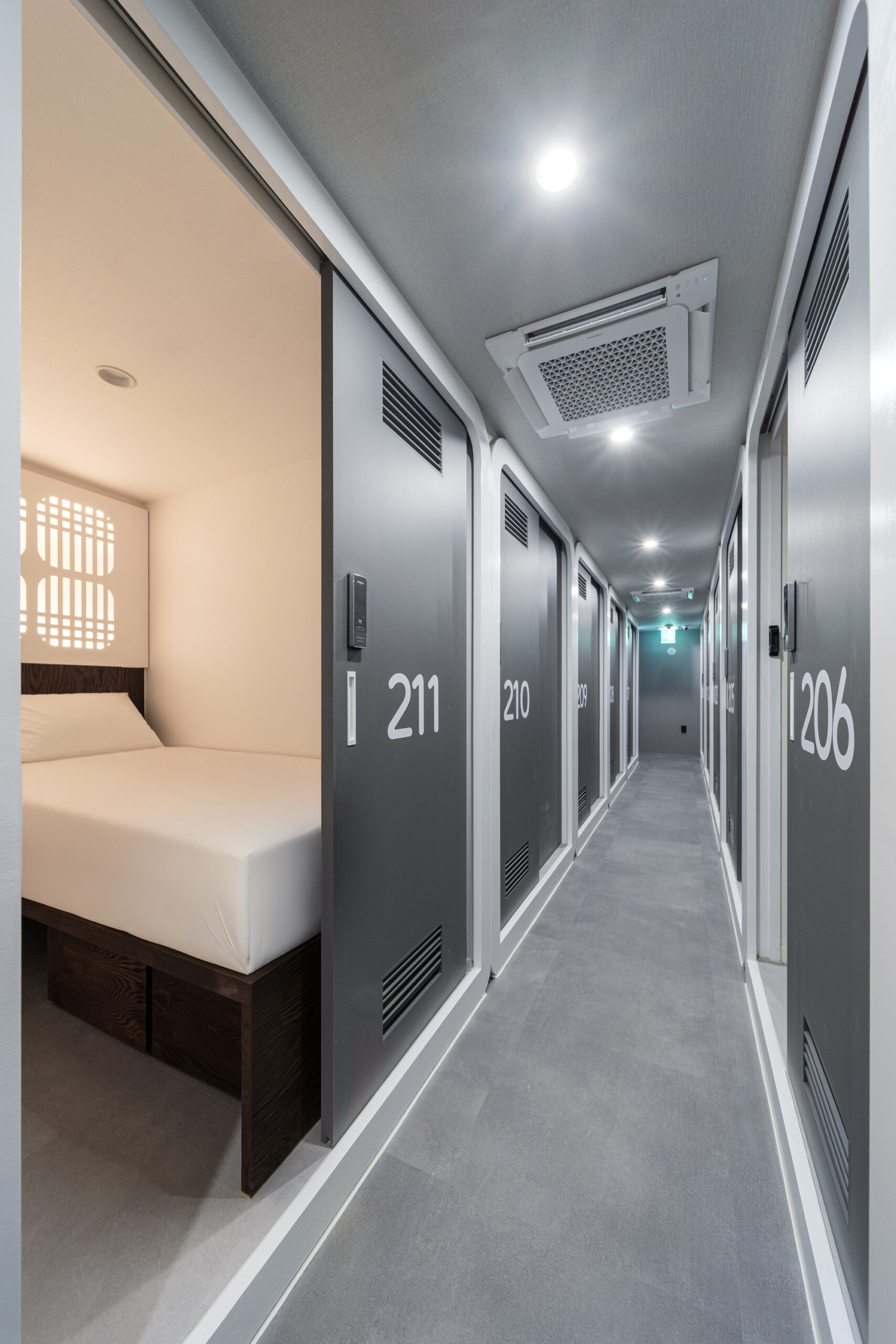
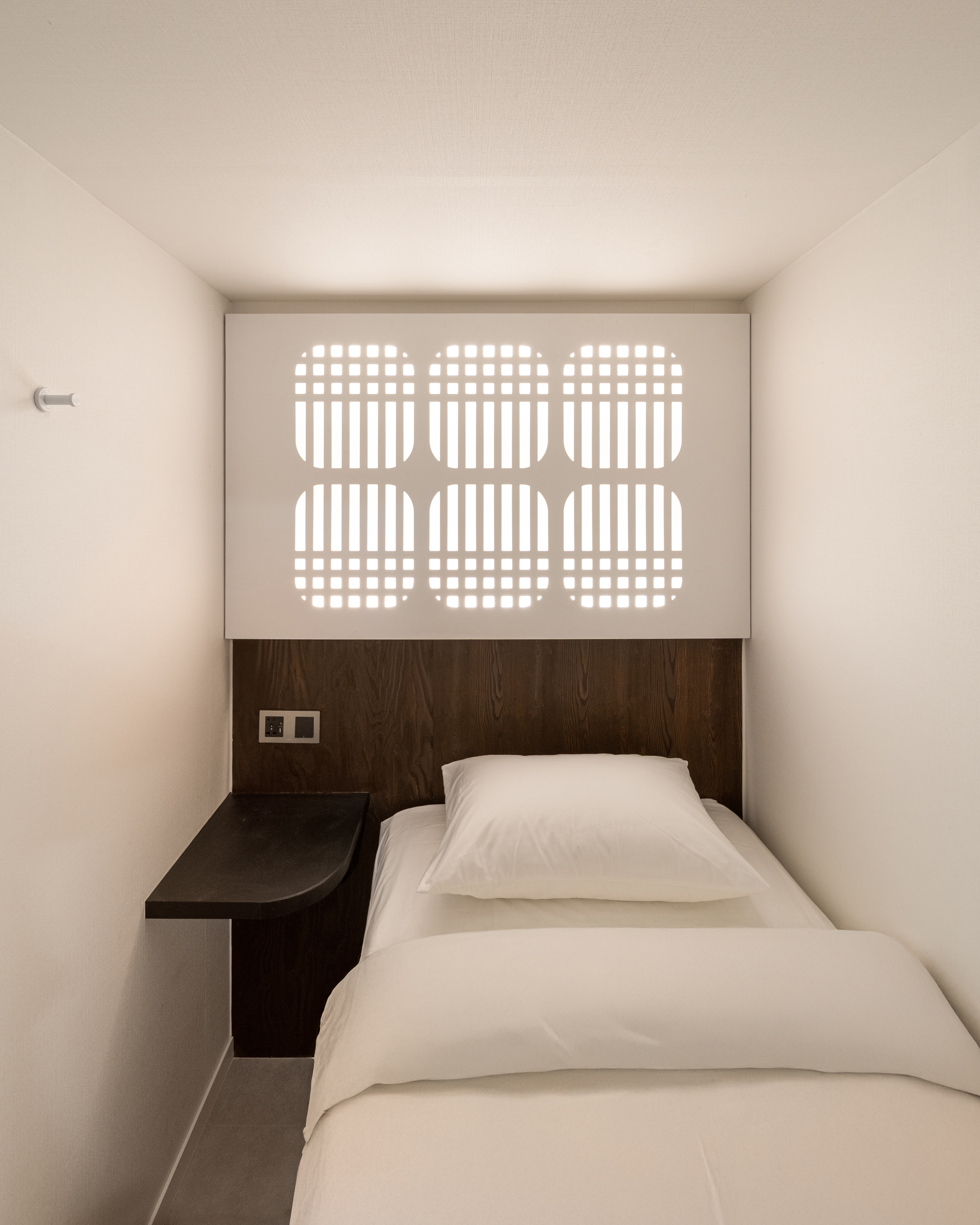
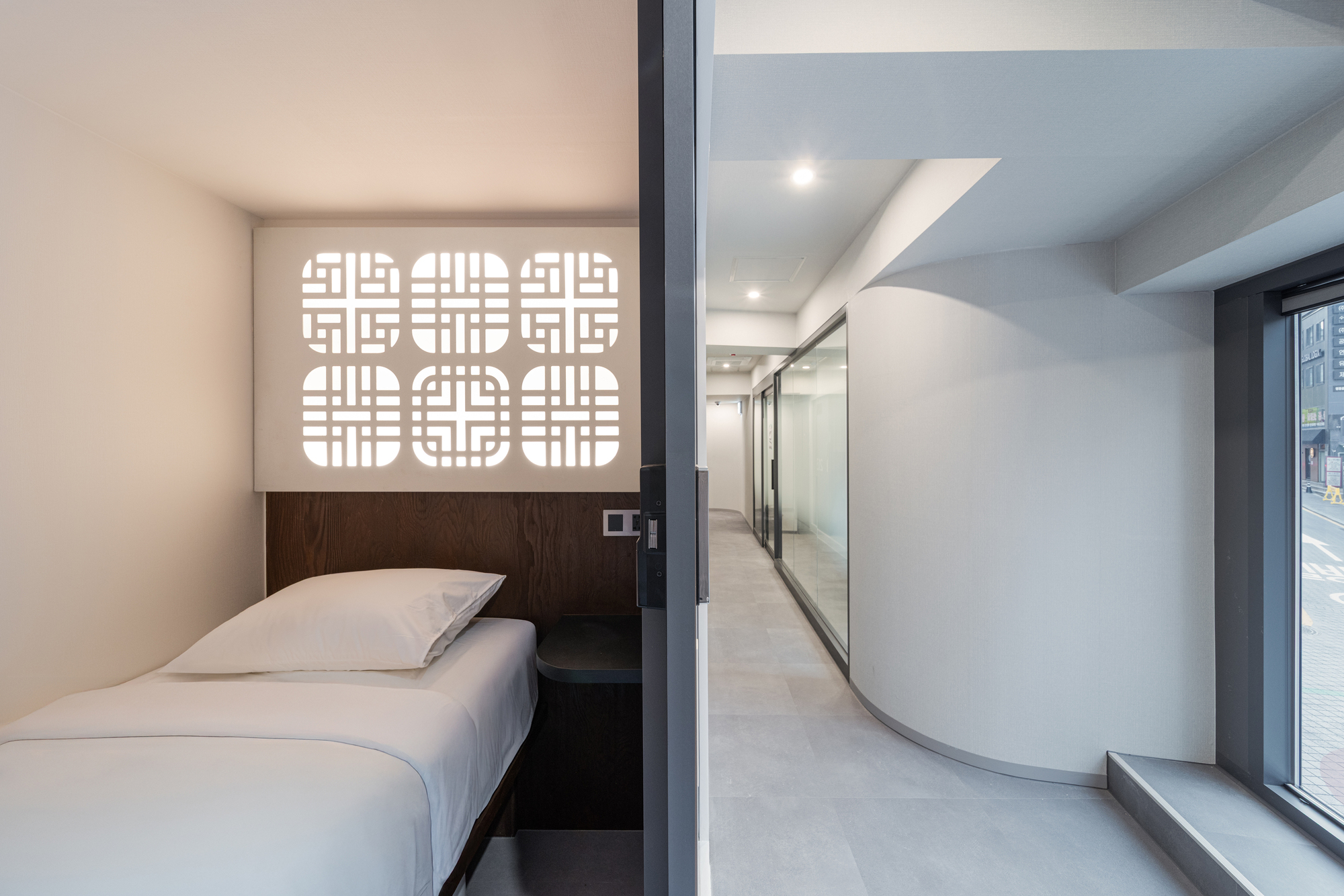
대부분의 도심 호텔은 좁은 대지, 인접 건물과의 간격, 도로 사선 제한 같은 외부 조건에 맞춰 매스를 깎아나간다. 이용주 건축은 이 순서를 뒤집었다고 해야 할까. 객실 하나하나가 요구하는 최소한의 폭과 동선, 채광 조건을 먼저 확정하고, 그 결과로 건물의 외형이 자연스럽게 도출되도록 했다.
이런 접근은 215㎡라는 작은 면적 안에서 오히려 강점이 된다. 외부 조건에 맞추려 애쓰다 보면 객실 하나하나가 타협의 산물이 되기 쉬운데, 내부에서 출발한 이 건물은 좁은 대지 안에서도 객실의 완결성을 지켜낸다.

소형 숙박 단위가 결정한 밀도
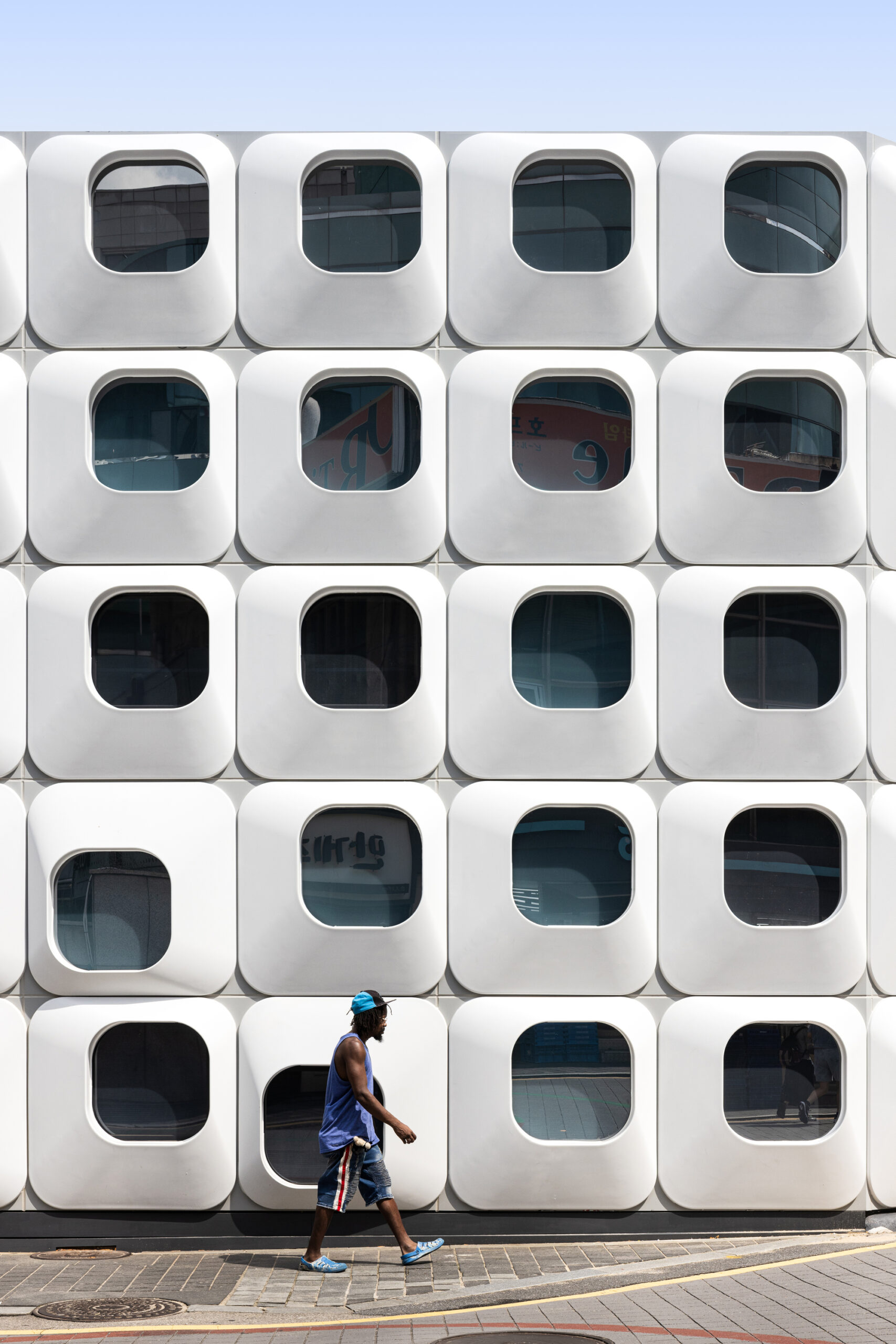
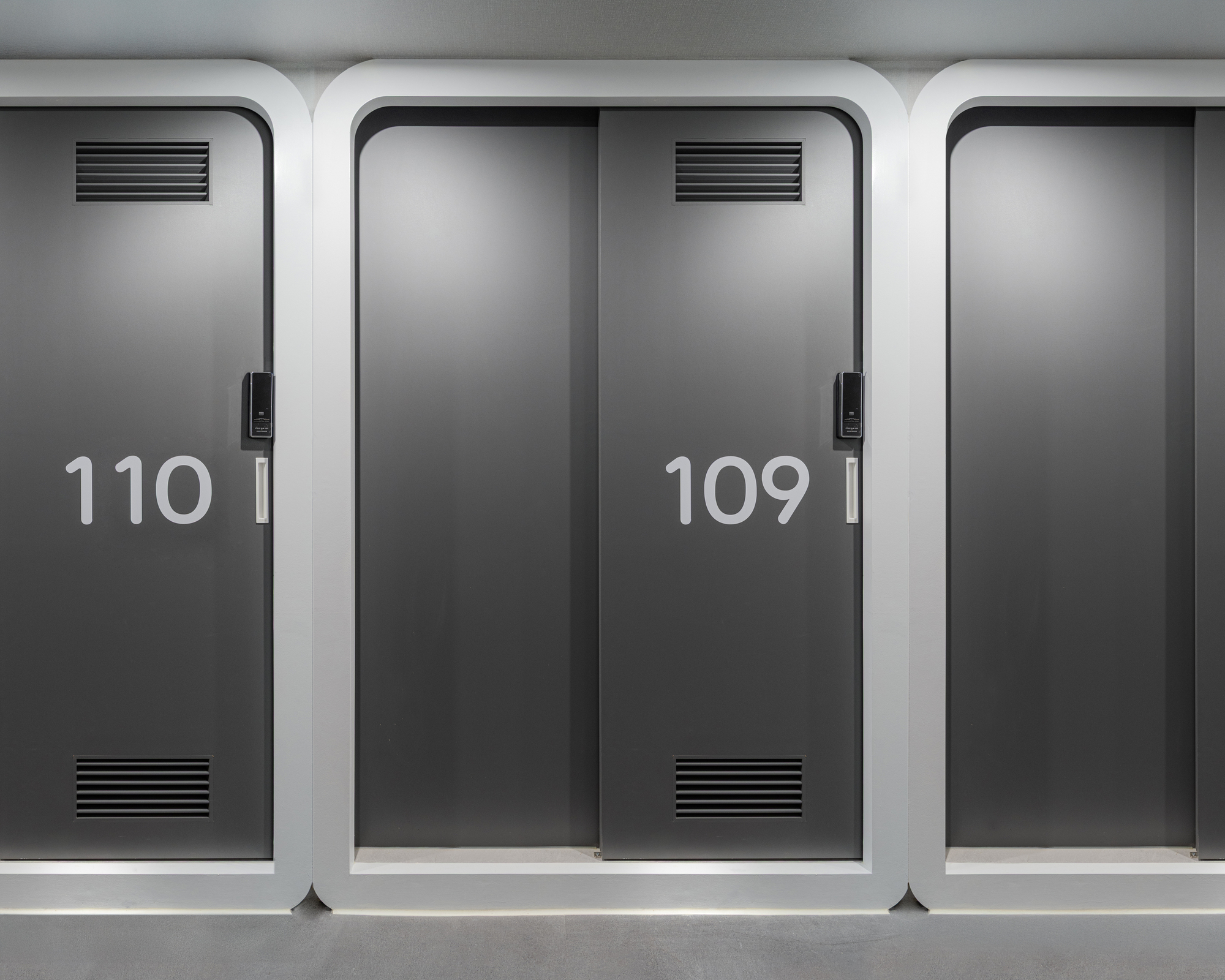
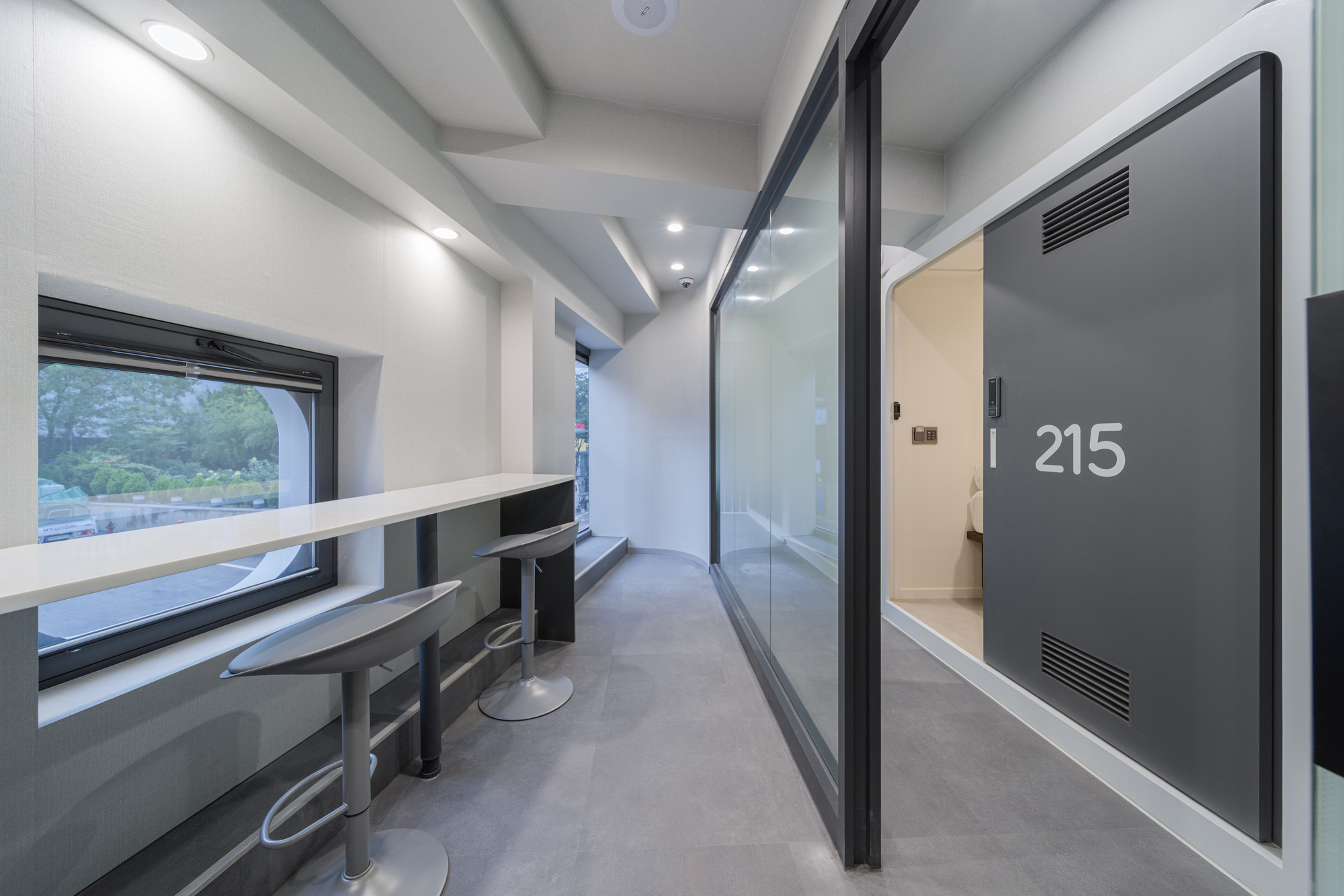
명동이라는 동네는 서울에서도 손꼽히는 고밀도 상업지구다. 이런 곳에 들어서는 소형 호텔은 객실 수를 최대한 확보하면서도 각 객실의 질을 포기하지 않아야 하는 이중의 과제를 안는다. 설계팀은 객실 단위의 공간 밀도를 정교하게 계산해, 좁은 면적 안에서도 기능이 서로 겹치거나 낭비되지 않도록 조율했다.
기능이 촘촘히 통합된 이 구성은 단순히 효율을 위한 것만은 아니다. 오히려 이 밀도 자체가 건물의 형식 원리로 작동하며, 명동역 앞이라는 입지에 걸맞은 압축적이고 도시적인 존재감을 만들어낸다.

맥락에서 자유로운 자율적 언어
흥미로운 지점은 이 건물이 주변 맥락을 무시하는 것이 아니라, 맥락으로부터 ‘독립적인’ 건축 언어를 구축한다는 데 있다. 명동의 어수선하고 빽빽한 상업 가로 안에서, 이 호텔은 주변과 억지로 맞추려 하지 않으면서도 자연스럽게 그 안에 녹아든다.
극도로 제한된 대지 조건에서 외부가 아니라 내부의 논리를 설계의 출발점으로 삼았다는 발상의 전환이 흥미로운 점이다. 215㎡라는 작은 규모가 오히려 이 실험을 가능하게 한 조건이었다는 점도 눈여겨볼 만하다.
A Form That Starts Inside, Not Outside
Most urban hotels carve their mass to fit external conditions: a tight lot, the gap to neighboring buildings, setback limits cast by the road. Yong Ju Lee Architecture reversed that order. It first fixed the minimum width, circulation and daylight that each guest room demands, then let the building’s exterior follow naturally from the result. Within just 215m², this approach becomes a strength. Struggling to fit external conditions tends to turn every room into a compromise, but a building that starts from the inside keeps each room whole even on a cramped site.Density Set by the Small Lodging Unit
Myeongdong is one of the densest commercial districts in Seoul. A small hotel built here faces a double challenge: secure as many rooms as possible without giving up the quality of each one. The design team calculated the spatial density at the scale of the individual room with precision, tuning the plan so that functions neither overlap nor go to waste in the limited area. This tightly integrated arrangement is not only about efficiency. The density itself works as the building’s organizing principle, producing a compressed, urban presence that suits a location right in front of Myeongdong Station.An Autonomous Language, Free of Context
What is interesting is that the building does not ignore its surroundings; it builds an architectural language that is ‘independent’ of them. Amid Myeongdong’s cluttered, packed commercial streets, the hotel makes no forced attempt to match its neighbors, yet it blends in naturally. The shift in thinking is the real draw: on an extremely restricted site, the logic of the inside, not the outside, became the starting point of the design. It is also worth noting that the small scale of 215m² was the very condition that made this experiment possible.

